European Biodiesel Board believes biodiesel should be promoted to achieve climate goals in the transport sector
The European Biodiesel Board (EBB), the European trade association for biodieselproducers, is now taking a line against the European Commission's proposal to exclude first-generation biofuels (1G) from the EU's emission standards for light vehicles.
According to a press paper from the organisation, criticism of 1G biofuels is based on a widespread misunderstanding: That production creates competition between food, feed andfuel.
- It is nota zero-sum game, says the EBB.
Only three percent of the EU's agricultural land was dedicated to biofuel production in 2020. At the same time, no correlation has been demonstrated between foodprices and demand for biofuels in recent years, according to the European Commission's 2020 Renewable Energy Progress Report.
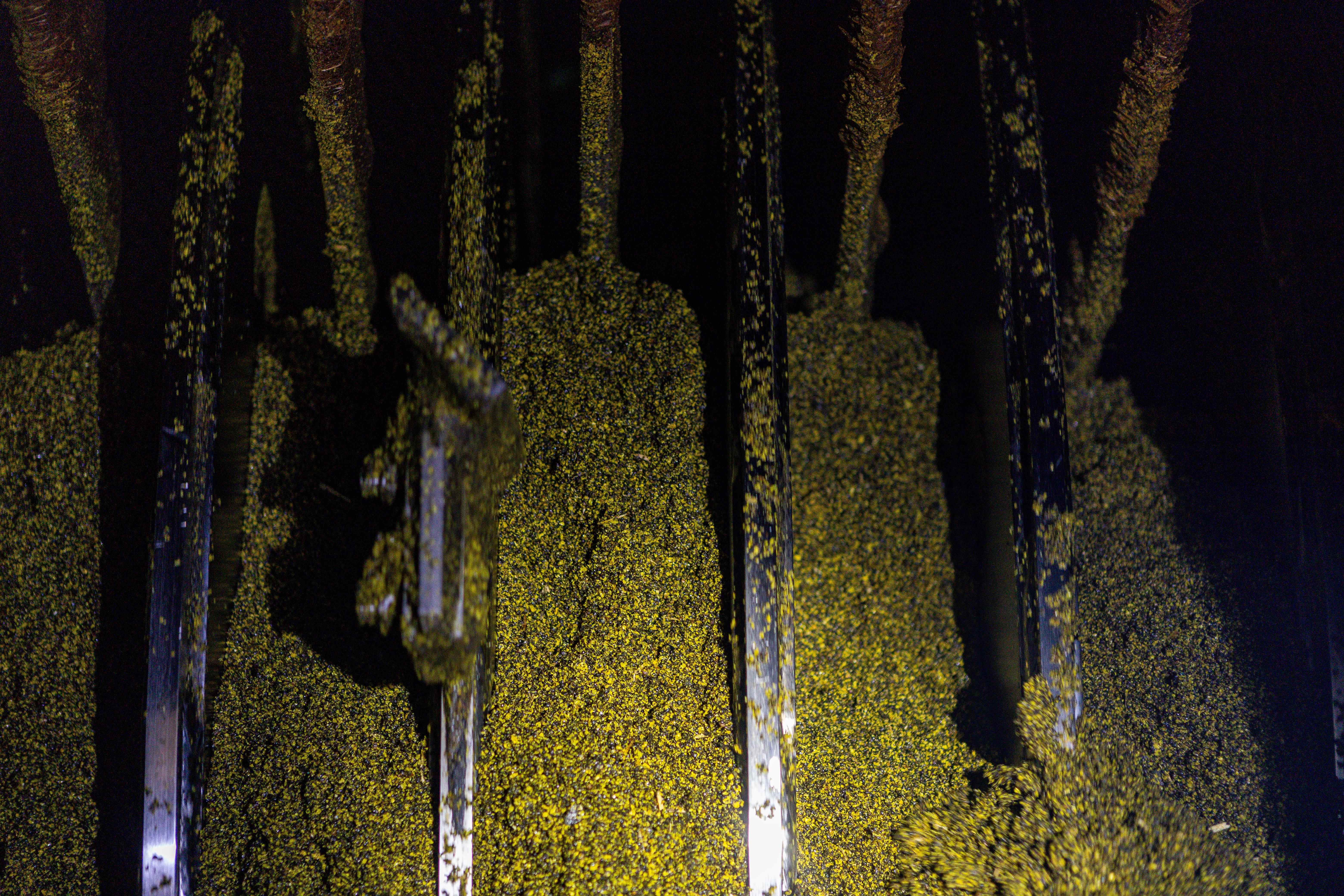
The EBB also highlights that the production of biodiesel creates valuable by-products -including protein-rich animal feed - which are part of the European food chain. According to figures from the Commission's Agriculture Directorate, the EU produces only 27 percent of the oilseed meal needed to meet the needs of the livestock sector. The rest is imported.
EBB's political director, Domenico Mininni, is surprised that 1G biofuels are subject to caps and restrictions:
– It is surprising that first-generation biofuels are being restricted everywhere. They contribute to increased feed production and reduce the need for food and feedimports, he says.
At the same time, he points to the transport sector, where the transition is still lagging behind. More than 89 percent of energy consumption in the EU transport sector is still based on fossil fuels, and almost all crude oil is imported, EBB emphasizes.
–Restricting first-generation biodiesel would be a mistake. We should increaseproduction rather than hinder progress towards the EU's climate goals andweaken our strategic independence, says Domenico Mininni.