State of Union: Europa needs energy - french president Emmanuel Macron has since followed up by proposing an increase the use of biodiesel.
Energy is a major issue in Europe and featured prominently on the agenda of European Commission President Ursula von der Leyen during her recent State of the Union address to the European Parliament. The debate centers on security of supply, fuel prices, and the need to reduce reliance on fossil-based oil.
French President Emmanuel Macron has since followed up by proposing an increase in the use of biodiesel blended with fossil diesel. Macron proposed relaxing EU biofuel blending regulations to allow for greater use of B10 diesel. This would enable the biodiesel content in diesel for B10-compatible vehicles to rise from 7 percent to 10 percent.
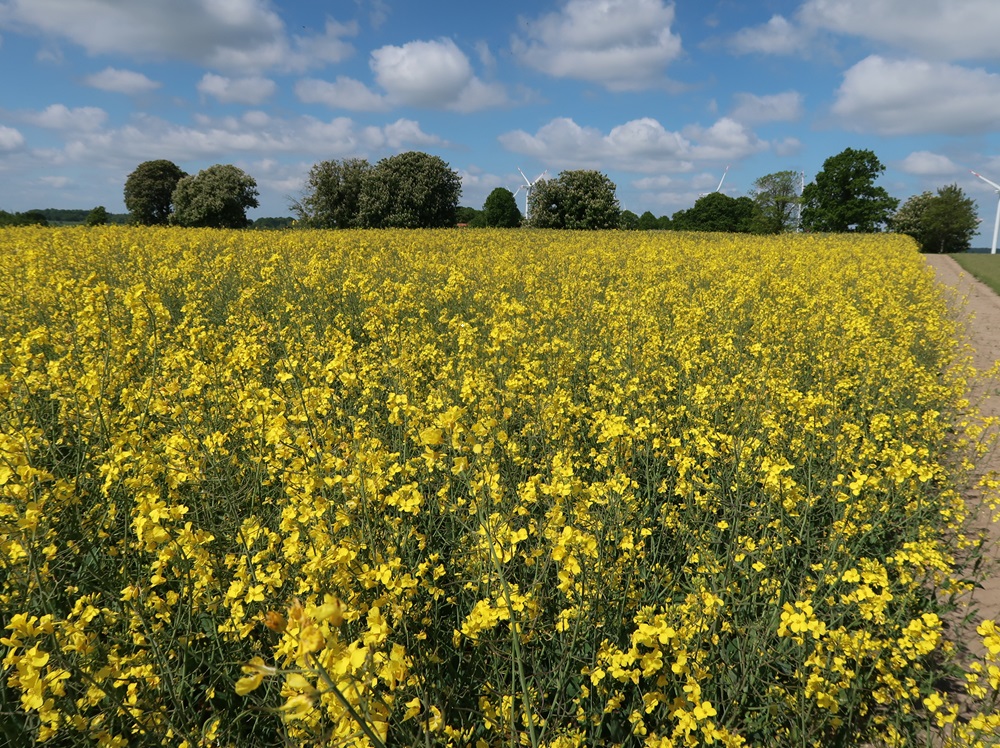
Discussions in Europe regarding increased biodiesel use go beyond fuel alone. Rapeseed can also provide protein-rich animal feed and, potentially in the future, protein for human consumption. This makes the crop particularly attractive at a time when the EU aims to both strengthen its energy supply and reduce its dependence on imported protein.
One crop – multiple products
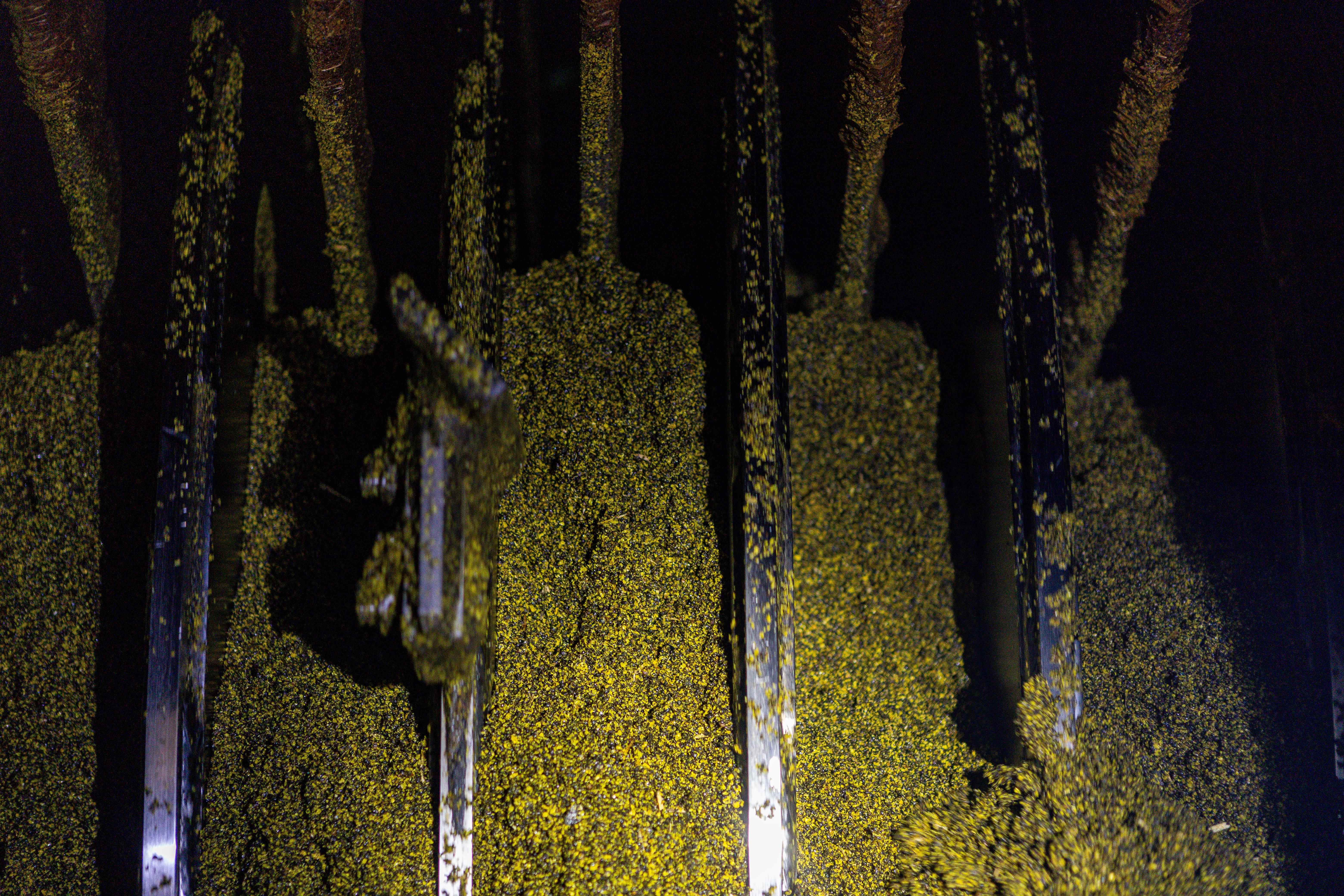
When rapeseed is processed, approximately 40–45 percent is converted into oil. This oil can be used for purposes such as food production and biodiesel.
The remaining byproduct is rapeseed cake or meal—a protein-rich product that can serve as cattle feed, helping to replace some of the soy Europe currently imports.
At the same time, efforts are underway to utilize rapeseed protein for human nutrition. If large-scale food applications can be successfully developed, an even greater share of the raw material could add value within the food supply chain.
This means that biodiesel should not necessarily be viewed in isolation. Rapeseed production can yield multiple products from the same crop: oil for food and energy, as well as protein for animal feed—and potentially for human consumption, too.
Part of the broader European debate
In the ongoing debate regarding the EU’s agricultural and livestock policies, the Institute for European Environmental Policy (IEEP) has called for, among other things, a greater focus on carbon footprints, land use, and biodiversity. At the same time, the European Commission is focusing on strengthening food security and reducing reliance on imported animal feed.
In this context, the question is not merely how much biodiesel Europe can produce, but also how efficiently agricultural raw materials can be utilized.
Rapeseed is an example of a crop where energy production and protein production can go hand in hand. And if rapeseed protein can increasingly be used for human nutrition, the overall utilization of the crop could be maximized even further.
This makes biodiesel just one part of a much larger story about Europe’s need for energy, protein, and the better utilization of agricultural resources